Article Overview
The Door: the First Piece You Touch
A door is read before it is used and touched before any other piece. Choosing one is an architectural decision, not a finishing detail.

Explore the Journal
Discover more design ideas, product guidance and inspiration for refined interiors in every space.
View allWhat You Will Learn
- Why the first question is where the door opens, not what it is made of.
- How width, height and swing direction change a room before any finish does.
- What separates an entrance door from an interior one, beyond appearance.
- Valenzá Editorial Team
- 6 min read
- August 2026
Every visit begins the same way, whether it is a home, a hotel or an office: someone stops in front of a door and touches it. It is the only piece of architecture that is handled daily, and one of the few that gives a first impression before anyone has stepped inside.
 A door is the only part of the architecture you hold in your hand
The useful first question is not what the door is made of, but where it opens. A door to the garden, a door between two interior rooms and a main entrance answer to different demands: exposure to weather, acoustic separation, security, and how much light they are expected to let through.
That is why doors are best grouped by where they lead rather than by their mechanism. A folding door to a terrace and a folding wardrobe door share a technique, but almost nothing else: one has to resist sun and rain, the other only has to close quietly.
Once the position is clear, the rest of the decisions fall into place on their own. Material, finish and hardware stop being a matter of taste and become a consequence of the job the door has to do.
Width, height and the direction it swings
The clear opening of a door decides how a space is used long after anyone stops noticing it. A passage that is a few centimetres too narrow will complicate moving furniture, using a wheelchair or simply carrying something with both hands, and no finish compensates for that.
Height changes the perceived proportion of a room. A taller leaf lifts the eye and makes a modest ceiling feel more generous, which is why full height doors read as architectural even in small spaces.
The swing direction is the decision most often left to the installer, and the one that most affects daily comfort. A door that opens against the natural path of movement, or that blocks a light switch when open, will be a small irritation every day of its life.
- 1. Check the clear passage width, not the leaf width.
- 2. Consider a taller leaf before adding decorative detail.
- 3. Decide the swing so the door never blocks a switch or a circulation path.
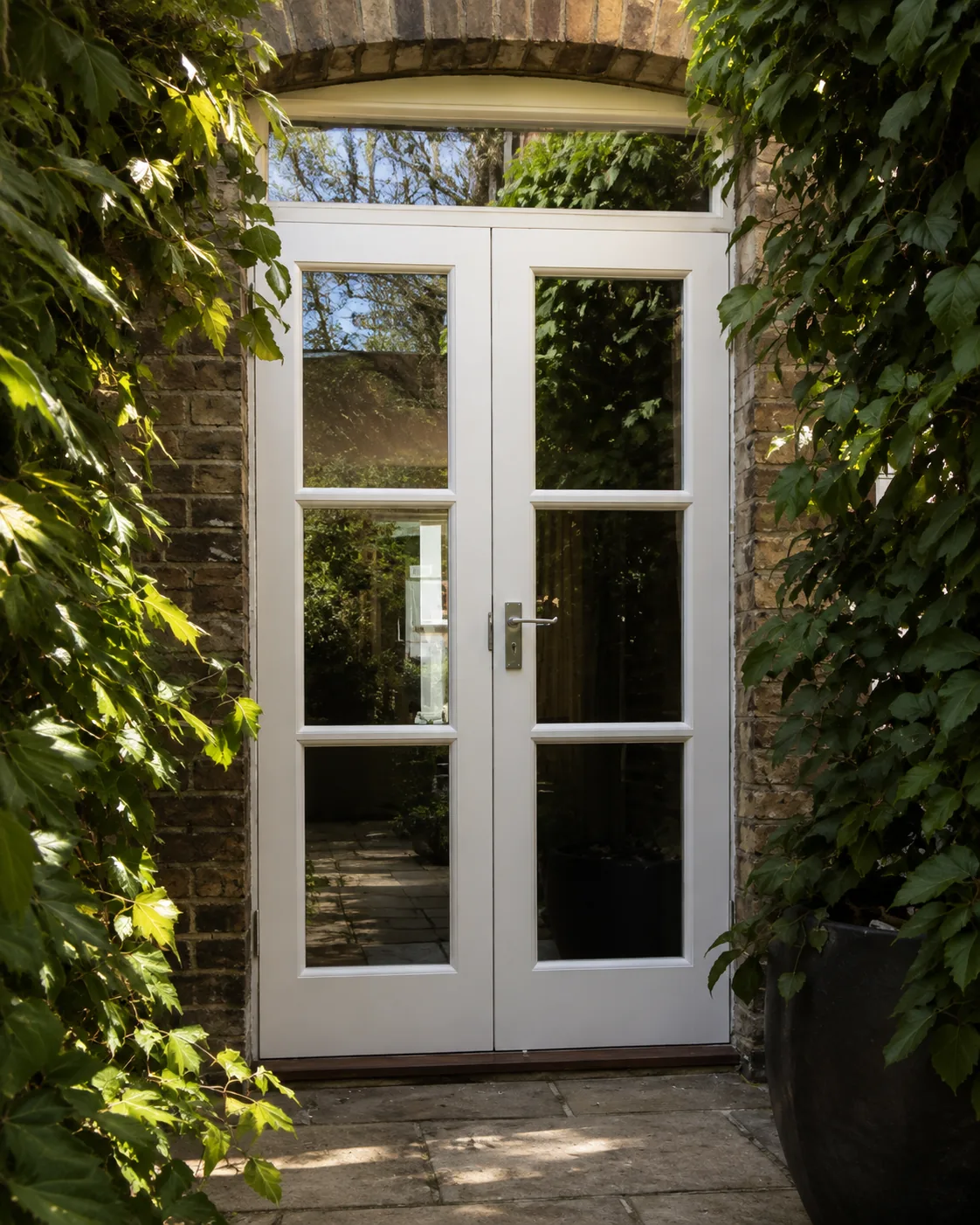
Entrance doors answer to more than taste
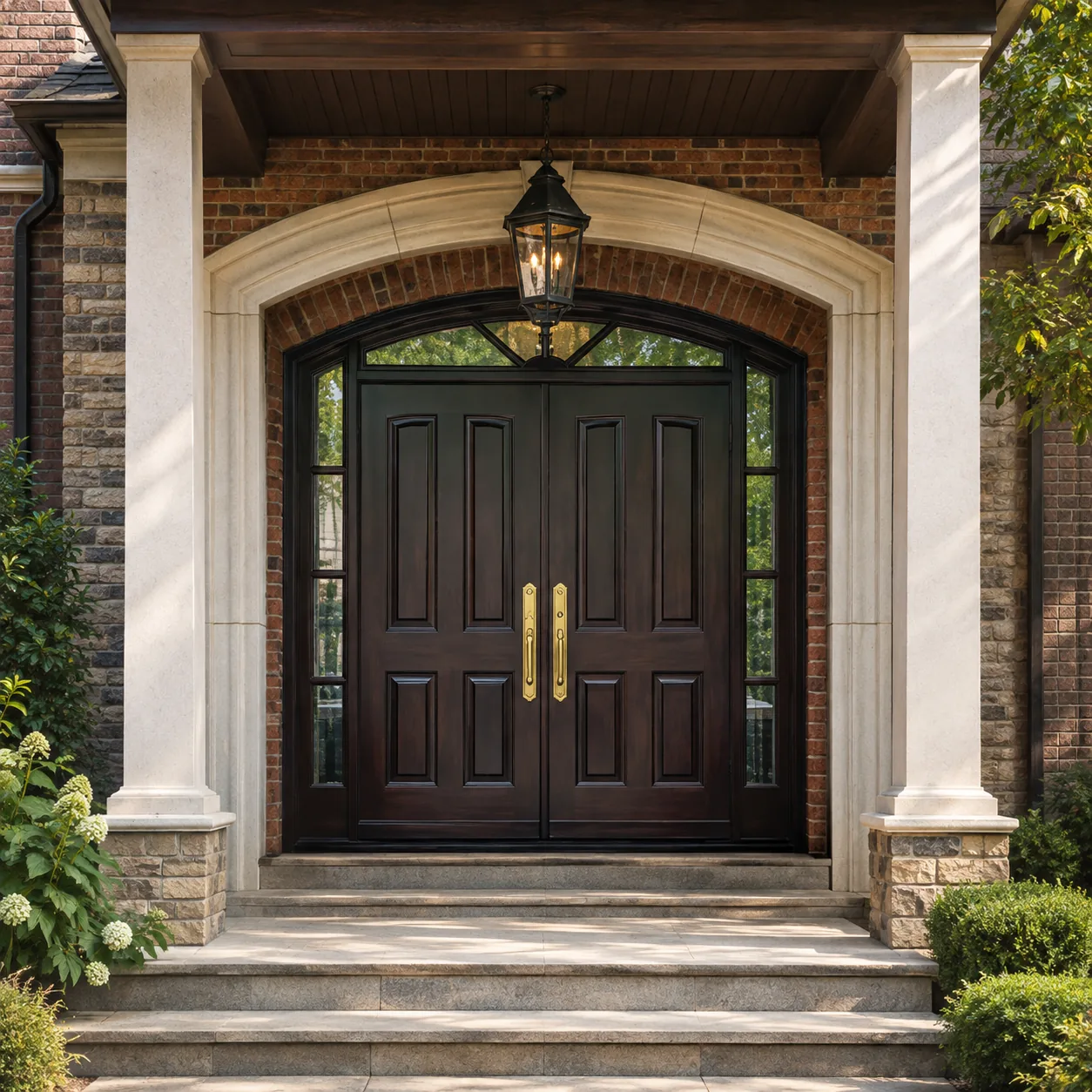
An entrance door has obligations an interior door does not: it separates two climates, it is the first line of security, and it takes weather on one face while staying dry on the other. That asymmetry is what makes exterior doors thicker, heavier and more demanding in their fittings.
The lock deserves the same attention as the leaf. A digital lock is not simply a more modern version of a mechanical one; it changes who can enter and how access is given to someone else, which weighs differently in a home, a hotel or an office. It is worth deciding that before choosing a finish, not after.
A door that opens the wrong way will be corrected mentally every single day, and never fixed.
Doors are usually specified late, when the budget is already committed. Yet they set the rhythm of a place: how it is entered, how rooms connect, how much light passes from one to the next.
Chosen with intention, a door stops being a way to close a room and becomes the way a place introduces itself.
Italian design for every space.
Discover pieces designed to bring elegance, performance and architectural harmony into every room.